

This vegetable pasta primavera is a bright, vibrant dish full of fresh produce and creamy goodness. With a mix of colorful veggies and flavorful herbs, it’s a fantastic choice for a quick weeknight dinner.
This pasta recipe addresses common concerns like blandness and overcooked vegetables, creating a satisfying dish rich in flavor and varied textures.
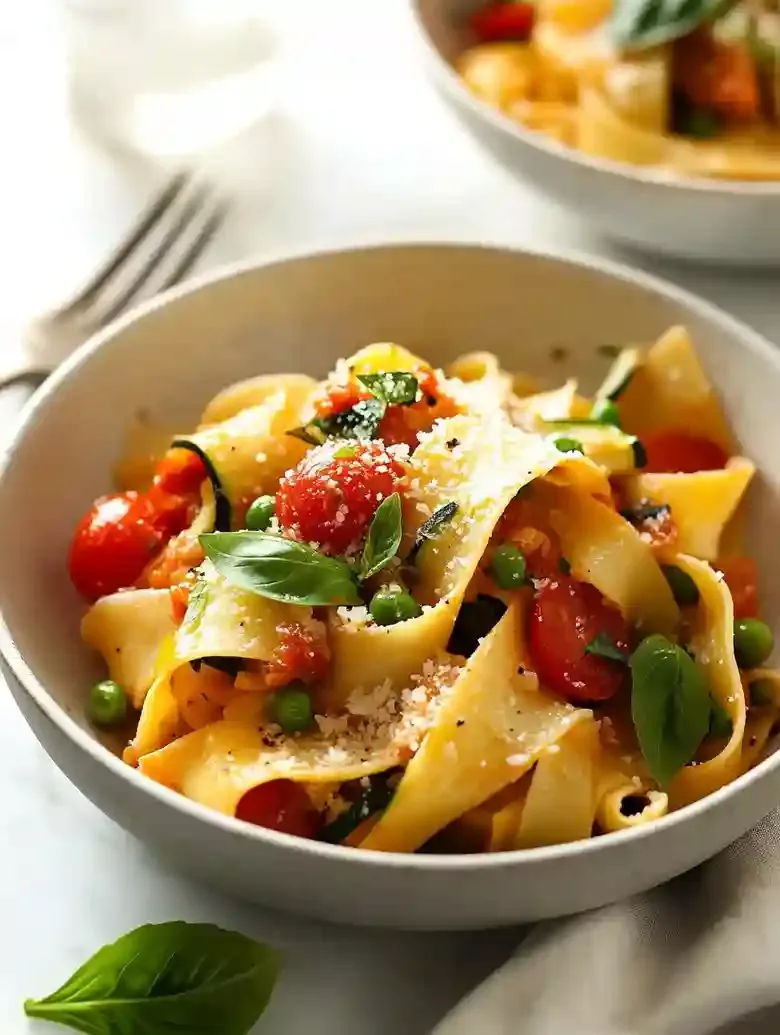
Sometimes, I struggle to get enough vegetables into my meals. I love how this primavera recipe is simple and quick, yet it helps me tackle that challenge head-on. Plus, it’s a hit with everyone at the table, even the picky eaters!
What I really appreciate about this dish is how it comes together in just 30 minutes. The creamy sauce clings beautifully to the pasta while the vegetables stay tender-crisp, making each bite enjoyable.
If you’re looking for more delicious vegetable ideas, check out my Broccolini Frittata for an easy and tasty way to get your greens!
Table of contents
Why You Will Love This Recipe
- Vibrant Seasonal Produce , This vegetable pasta primavera bursts with fresh colors and flavors thanks to seasonal veggies like zucchini, bell peppers, and sweet cherry tomatoes, making it a feast for the eyes and taste buds.
- Rich Yet Light Sauce , The combination of half and half and vegetable stock creates a creamy texture without overwhelming heaviness, allowing the vibrant flavors of the veggies to shine through while keeping it satisfying.
- Quick Prep and Cook Time , With just 10 minutes of prep and 20 minutes of cooking, this dish is a speedy option for weeknight dinners, letting you enjoy a homemade meal that doesn’t take up your evening.
- Make-Ahead Friendly , The pasta primavera can be prepped in advance, allowing you to store the ingredients separately. You can simply toss everything together for an effortless meal on busy days.
Creamy Vegetable Pasta Primavera
- Prep Time: 10 minutes
- Cool Time:
- Cook Time: 20 minutes
- Total Time: 30 minutes
- Yield: 4 servings 1x
- Category: Main Course
- Method: Sautéing and Boiling
- Cuisine: Italian
- Diet: Vegetarian
Description
A vibrant and creamy vegetable pasta primavera dish loaded with fresh spring vegetables.
Ingredients
- 16 ounces (454 g) dried pappardelle pasta
- 3 tablespoons (42 g) unsalted butter
- 2 tablespoons (30 ml) extra virgin olive oil
- 1 cup (150 g) yellow onion, diced
- 2 bell peppers, thinly sliced
- 1 dry pint (300 g) cherry tomatoes
- 3–4 cloves garlic, minced or thinly sliced
- 2 cups (240 g) carrots, ribboned with vegetable peeler
- 1 cup (130 g) zucchini, thinly sliced and cut into half moons
- ¼ cup (60 ml) white wine or vegetable stock
- 1 ¼ cup (300 ml) vegetable stock
- 1 cup (150 g) frozen peas (optional)
- ½ cup (120 ml) half and half
- ¼ cup (25 g) grated Parmesan cheese
- ¼ cup (6 g) fresh basil leaves, for serving
- Freshly ground black pepper, to taste
- Fine sea salt, to taste
- Squeeze of fresh lemon juice (optional)
- 1 teaspoon dried basil
- ½ teaspoon dried thyme
- ½ teaspoon dried oregano
- ⅛–¼ teaspoon red pepper flakes
Instructions
- Step 1: Heat a large pot of salted water over medium-high heat until it reaches a rolling boil. Adding salt flavors the pasta as it cooks.

- Step 2: In a large skillet over medium heat, warm the olive oil. Add the diced yellow onion and cook for 3-4 minutes, stirring occasionally, until softened and aromatic.
- Step 3: Add the thinly sliced bell peppers to the skillet and cook for about 4-5 minutes, stirring, until they begin to soften and release their sweetness.
- Step 4: Add the carrot ribbons and zucchini half moons to the skillet. Gently toss to combine and cook until the vegetables remain slightly crisp but heated through.
- Step 5: Pour in the white wine (or vegetable stock if not using wine) to deglaze the pan. Scrape the bottom of the skillet to loosen any browned bits, which adds depth of flavor to the sauce.
- Step 6: Stir in the 1 ¼ cup vegetable stock and bring the mixture to a simmer, allowing the flavors to meld and the sauce base to form.
- Step 7: If using frozen peas, add them now and cook until they are heated through and tender.
- Step 8: Meanwhile, boil the pappardelle pasta until al dente as per package instructions. Stir gently every few minutes during the first 5 minutes to prevent sticking. Before draining, reserve at least ½ cup to 1 cup of pasta cooking water.
- Step 9: Drain the cooked pasta and add it to the skillet with the vegetable sauce. Toss the pasta in the sauce, adding reserved pasta water as needed to loosen and help the sauce cling to the noodles.
- Step 10: Remove the skillet from heat. Stir in half and half and grated Parmesan cheese until fully combined and the sauce is creamy. Adjust seasoning with salt, freshly ground black pepper, and a squeeze of fresh lemon juice, if desired.
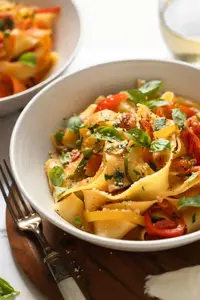
Notes
- Room Temperature: Store in an airtight container away from direct sunlight and heat for up to 2 days.
- Refrigeration: Refrigerate in an airtight container for up to 5 days. Reheat gently on the stove or microwave before serving.
- Freezing: Freeze in a freezer-safe container or bag for up to 3 months. Thaw overnight in the refrigerator, then reheat on low heat.
- To prevent pasta from sticking during cooking, stir gently every few minutes for the first 5 minutes of boiling.
- If vegetables appear overcooked or too soft, reduce sautéing time to 3-4 minutes to keep them tender-crisp and colorful.
- If the sauce is too thin, simmer gently on low heat for an additional 5-10 minutes to thicken.
- For bland flavor, add an extra pinch of fine sea salt and freshly ground black pepper at the end of cooking.
- For an even creamier sauce, stir in an additional ¼ cup of half and half just before serving.
- Reheat leftovers gently on the stove over low heat or in a microwave-safe dish in the microwave until warmed through, stirring occasionally for even heating.
- Serve the Spring Vegetable Pasta Primavera with a side of roasted asparagus or garlic sautéed spinach for added texture and flavor.
- A simple mixed green salad with balsamic vinaigrette complements the dish well.
- Use leftovers in vegetable-packed wraps, as a stuffing for bell peppers, or in vegetable lasagna recipes.
- For a richer sauce, substitute half and half with an equal amount of heavy cream.
- Use whole wheat pasta in place of pappardelle for added nutrition and texture.
- Omit the Parmesan and use nutritional yeast for a cheesy flavor suitable for a vegetarian or vegan-adapted dish (ensure half and half is replaced with a non-dairy alternative to make fully vegan).
- Choose fresh, vibrant vegetables like bell peppers, zucchini, and cherry tomatoes for the best color and sweetness.
- Use freshly grated Parmesan cheese rather than pre-grated for superior melt and flavor quality.
- Extra virgin olive oil should be fresh for the best flavor and texture in the sauce.
- Minced fresh garlic provides better aroma and depth compared to pre-minced versions.
- A good quality pasta like fettuccine or penne will hold the sauce well, but pappardelle is used here. Whole wheat pasta adds additional fiber and texture.
Nutrition
- Serving Size: 1 serving
- Calories: 350
- Sugar: 1g
- Sodium: 600mg
- Fat: 20g
- Saturated Fat: 7g
- Unsaturated Fat: 10g
- Trans Fat: 0g
- Carbohydrates: 15g
- Fiber: 1g
- Protein: 30g
- Cholesterol: 90mg
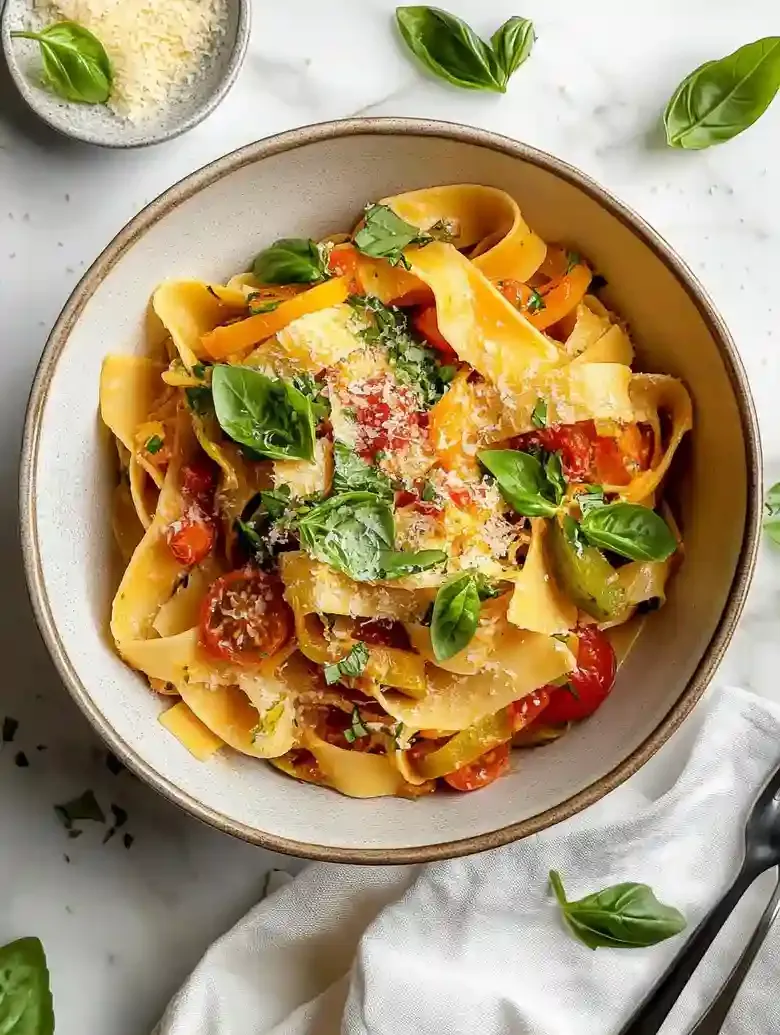
Ingredient Notes
- Pasta: Use a good quality pasta like fettuccine or penne to hold the creamy sauce well. Whole wheat pasta adds extra texture and nutrition.
- Olive oil: Extra virgin olive oil enhances flavor and richness. Look for a fresh bottle for the best taste and smooth finish.
- Garlic: Fresh garlic is a must for depth of flavor. Mince it finely instead of using pre-minced for the best aroma and taste.
- Vegetables: Use a mix of colorful veggies like bell peppers, zucchini, and cherry tomatoes for sweetness and crunch. Freshness matters here, so pick vibrant ones!
- Heavy cream: It brings that creamy texture to the dish! Choose a high-fat option for the richest sauce. If you need a lighter version, half-and-half works too.
- Parmesan cheese: Freshly grated Parmesan gives a nice umami kick. Avoid pre-grated versions, as they don’t melt as smoothly and lack flavor.
- Black pepper: Freshly cracked pepper adds the perfect hint of spice. You can adjust the amount based on your preference for heat.
- Pasta: Use a good quality pasta like fettuccine or penne to hold the creamy sauce well. Whole wheat pasta adds extra texture and nutrition.
- Olive oil: Extra virgin olive oil enhances flavor and richness. Look for a fresh bottle for the best taste and smooth finish.
- Garlic: Fresh garlic is a must for depth of flavor. Mince it finely instead of using pre-minced for the best aroma and taste.
- Vegetables: Use a mix of colorful veggies like bell peppers, zucchini, and cherry tomatoes for sweetness and crunch. Freshness matters here, so pick vibrant ones!
- Heavy cream: It brings that creamy texture to the dish! Choose a high-fat option for the richest sauce. If you need a lighter version, half-and-half works too.
- Parmesan cheese: Freshly grated Parmesan gives a nice umami kick. Avoid pre-grated versions, as they don’t melt as smoothly and lack flavor.
- Black pepper: Freshly cracked pepper adds the perfect hint of spice. You can adjust the amount based on your preference for heat.
Recipe Tips
- If you notice the pasta sticking together, stir it gently every few minutes during the first 5 minutes of boiling in salted water.
- When vegetables appear overcooked, reduce sautéing time to 3-4 minutes, allowing them to remain crisp and colorful.
- If your sauce turns out too thin, simmer it gently on low for an additional 5-10 minutes to thicken it up effectively.
- For bland flavors, add an extra pinch of salt and freshly ground black pepper during the last minute of cooking, adjusting to taste.
- If you want a creamier sauce, stir in an additional ¼ cup of half and half shortly before serving, blending until smooth.
Serving Suggestions
Serve creamy vegetable pasta primavera with a side of roasted asparagus or garlic sautéed spinach for added texture and flavor. A mixed green salad with balsamic vinaigrette complements the dish and adds freshness.
Add to your rotation of meals by using it in vegetable-packed wraps or as a filling for stuffed bell peppers. You can also incorporate it into a hearty vegetable soup or blend it into a vegetable lasagna.
Top with a sprinkle of nutritional yeast for a cheesy flavor or drizzle with a homemade pesto for an herbal finish. A squeeze of fresh lemon juice adds brightness to this colorful pasta dish.
Recipe variations
- You can use 16 ounces of pappardelle pasta as the base for the vegetable pasta primavera, providing a hearty and satisfying texture for this meal.
- Add 1 teaspoon dried basil, ½ teaspoon dried thyme, ½ teaspoon dried oregano, and ⅛ to ¼ teaspoon red pepper flakes to infuse the dish with layered herbal and spicy flavors.
- Either fresh or frozen peas can be included; frozen peas save time while fresh peas add a tender, sweet bite; both work well in the primavera sauce.
- If serving more people, double the pasta to 32 ounces and increase vegetable stock to 2 ½ cups, keeping butter and olive oil proportional to maintain the sauce’s consistency.
Save This Recipe!
How to Store?
To keep your creamy vegetable pasta primavera fresh and delicious, follow these storage tips:
Room Temperature: Store in an airtight container at room temperature for up to 2 days. Keep away from direct sunlight and heat sources.
Refrigeration: Place in an airtight container and refrigerate for up to 5 days. Reheat gently on the stove or microwave before serving.
Freezing: Use a freezer-safe container or bag, freeze up to 3 months. Thaw in the refrigerator overnight before reheating on low heat.
Other Recipes You’ll Love
If you enjoyed this vegetable pasta primavera or any other recipe on my blog, please leave a ⭐ star rating and let me know how it went in the comments below. I appreciate taking time to read about this recipe, thank you!
