Description
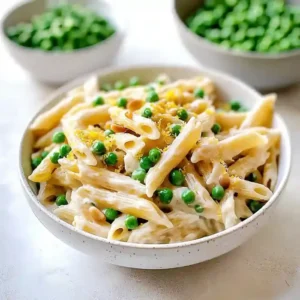
Delicious spring pea and ricotta pasta recipe that is quick to prepare and perfect for a vegetarian meal.
Ingredients
Scale
- 1 pound (453 g) penne pasta, preferably high-quality dried
- 2 cups (300 g) fresh peas, or frozen peas as substitute
- 1 cup (240 g) whole milk ricotta cheese, fresh
- 1 lemon, organic, zest and juice only
- 3 tablespoons (45 ml) extra-virgin olive oil, fruity quality
- ½ cup (50 g) finely shredded Parmigiano-Reggiano cheese
- 2 tablespoons (14 g) toasted pine nuts (optional)
- 2 tablespoons (8 g) chopped Italian parsley, leaves only
- Salt, for pasta water and seasoning (sea salt, coarse or fine)
- Freshly ground black pepper, to taste
Instructions
- Step 1: Fill a large pot with water, add a generous amount of salt, and bring it to a rolling boil to ensure even cooking and flavor absorption by the pasta.

- Step 2: Add the penne pasta to the boiling salted water. Cook until al dente—firm to the bite but not hard—checking by taste a minute or two before package instructions end.
- Step 3: Two minutes before the pasta finishes cooking, add the fresh peas to the pot. This timing keeps the peas tender and brightly colored without overcooking.
- Step 4: Before draining, reserve one cup of the starchy pasta cooking water. This liquid is essential for creating a creamy sauce and should be set aside carefully.
- Step 5: Drain the pasta and peas using a colander. Return them to the empty pot away from the heat. Immediately toss them with about 2 tablespoons of olive oil, salt, and freshly ground black pepper to coat evenly without cooking further.
- Step 6: Spoon in the ricotta cheese directly into the pasta in the pot and stir well. The warmth of the pasta will gently melt the ricotta, forming a creamy sauce that blends all components.
- Step 7: If the mixture is a bit dry, gradually add some reserved pasta water, in small increments, to loosen the sauce and maintain a light creaminess without heaviness.
- Step 8: Stir in the freshly grated lemon zest and lemon juice from the organic lemon to introduce brightness that cuts through the richness and complements the peas’ sweetness.
- Step 9: Taste the pasta and add more salt or black pepper as needed to personalize the flavor balance.
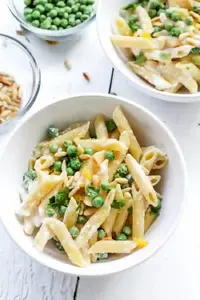
- Step 10: Transfer the pasta to serving bowls. Sprinkle toasted pine nuts, Parmigiano-Reggiano cheese, and chopped Italian parsley on top to add crunch, umami, and freshness before serving.
Notes
- Room Temperature: Store pasta with ricotta and peas in an airtight container at room temperature up to 1 day. Avoid exposure to heat sources.
- Refrigeration: Seal in airtight container and refrigerate for up to 3 days to preserve freshness and slow spoilage.
- Freezing: Place in freezer-safe container or bag and freeze up to 2 months. Thaw overnight in refrigerator and reheat gently before serving.
- To keep pasta from clumping during cooking, stir gently for the first few minutes in boiling salted water.
- If ricotta texture is uneven, mix it with 1 tablespoon olive oil before adding to pasta for smoother incorporation.
- Add peas only two minutes before pasta finishes to prevent overcooking and maintain bright color and texture.
- Use reserved pasta water to adjust sauce creaminess; 2 tablespoons is a good starting point to loosen without making it watery.
- If sauce lacks flavor, brighten it with an extra pinch of salt or fresh lemon juice before serving.
- Reheat gently in a skillet or microwave, adding extra reserved pasta water or a drizzle of olive oil to restore creaminess if needed. Heat until warm throughout, avoid overcooking to keep texture intact.
- Serve alongside a mixed greens salad or steamed asparagus for crunch. Roasted cherry tomatoes and a light lemon vinaigrette complement the pasta’s flavors well.
- Top with additional extra-virgin olive oil or fresh lemon zest to enhance brightness.
- Substitute penne with spaghetti or fettuccine for different textures; adjust cooking time accordingly.
- Use frozen peas if fresh are unavailable; add to pasta as instructed for best results.
- Add cooked chicken or shrimp for a heartier dish.
- Try ricotta-stuffed pasta shells or incorporate seasonal vegetables to expand variations.
- Choose high-quality dried pasta for best texture; fresh pasta works but requires shorter cooking time (monitor carefully).
- Select whole milk ricotta that is fresh and creamy, not watery; BelGioioso is a recommended brand.
- Fresh peas should be firm and bright green; replace with frozen peas if necessary.
- Use organic lemons for zest and juice to ensure fresh, pesticide-free citrus flavor.
- Opt for a fruity, high-quality extra-virgin olive oil as it is a key flavor component in this dish.
- Freshly ground black pepper provides better aroma and taste over pre-ground options.
Nutrition
- Serving Size: 1 serving
- Calories: Not provided
- Sugar: Not provided
- Sodium: Not provided
- Fat: Not provided
- Saturated Fat: Not provided
- Unsaturated Fat: Not provided
- Trans Fat: Not provided
- Carbohydrates: Not provided
- Fiber: Not provided
- Protein: Not provided
- Cholesterol: Not provided