Description
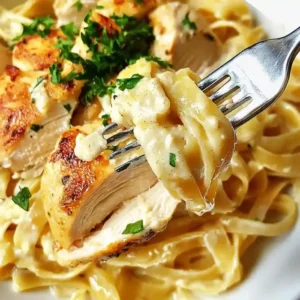
A creamy lemon chicken pasta dish that combines tender chicken and linguine in a rich sauce.
Ingredients
Scale
- 8 ounces (227 grams) linguine (or fettuccine)
- 2 boneless, skinless chicken breasts
- 2 tablespoons (30 ml) olive oil
- 2 tablespoons (28 grams) butter
- 2 small cloves garlic, minced
- Zest of ½ lemon
- ¼ cup (60 ml) dry white wine (or chicken broth)
- 1 cup (240 ml) chicken broth
- 1 to 2 tablespoons (8 to 16 grams) cornstarch, mixed with the heavy cream
- 1 cup (240 ml) heavy cream, cold
- 1 to 2 teaspoons (5 to 10 ml) freshly squeezed lemon juice
- ⅓ cup (about 30 grams) freshly grated Parmesan cheese
- Optional garnish: chopped fresh parsley and extra Parmesan cheese
Instructions
- Step 1: Fill a large pot with salted water and bring to a boil. Cook the linguine until just al dente according to package instructions, usually about 9 to 11 minutes. Before draining, reserve about ½ cup (120 ml) of the starchy pasta water to use later for sauce adjustment. Drain pasta and set aside.

- Step 2: Place the chicken breasts between two sheets of plastic wrap and pound to an even thickness to ensure uniform cooking. Season both sides with salt and freshly ground black pepper to taste. Heat 2 tablespoons (30 ml) of olive oil in a skillet over medium-high heat. When hot, add the chicken breasts and sear until golden brown on both sides and cooked through to an internal temperature of 165°F (74°C), about 5 to 7 minutes per side depending on thickness. Remove the chicken from the skillet and tent loosely with foil to rest and retain juices.
- Step 3: In the same skillet, reduce heat to medium and melt 2 tablespoons (28 grams) of butter. Add 2 minced garlic cloves and the zest of ½ lemon. Sauté gently for about 1 to 2 minutes until fragrant but avoid browning or burning the garlic as this imparts bitterness.
- Step 4: Pour in ¼ cup (60 ml) dry white wine or chicken broth to deglaze the pan. Scrape the bottom of the skillet with a wooden spoon or spatula to lift any browned bits. Let the liquid reduce for 1 to 2 minutes to concentrate the flavors before adding 1 cup (240 ml) chicken broth. Bring to a gentle simmer.
- Step 5: In a small bowl, whisk 1 to 2 tablespoons (8 to 16 grams) cornstarch into 1 cup (240 ml) cold heavy cream until smooth. Slowly pour the cream mixture into the simmering skillet, stirring continuously. Maintain a gentle simmer and cook for several minutes until the sauce thickens to a smooth, silky consistency coating the back of a spoon without being overly heavy.
- Step 6: Remove the skillet from heat to prevent sauce curdling. Stir in 1 to 2 teaspoons (5 to 10 ml) freshly squeezed lemon juice and ⅓ cup (about 30 grams) freshly grated Parmesan cheese until melted and fully incorporated. Add the cooked pasta to the skillet and toss gently to coat the noodles evenly with the sauce. Slice the rested chicken breasts and arrange them on top of the pasta. Garnish with chopped fresh parsley and additional Parmesan cheese if desired. Serve immediately.

Notes
- Room Temperature: Store leftovers in an airtight container at room temperature for up to 2 days. Ensure the lid seals tightly to avoid spills.
- Refrigeration: Refrigerate in an airtight container for up to 5 days. Allow the pasta to cool to room temperature before sealing to avoid condensation buildup.
- Freezing: Place in a sealed freezer container or freezer-safe bag. Freeze for up to 3 months. Thaw in the refrigerator overnight before gently reheating.
- For browning chicken breasts effectively, pat them dry with paper towels before seasoning. This promotes a golden crust while searing.
- If the sauce is too thin, whisk in an additional tablespoon of cornstarch dissolved in half the amount of cream during simmering to thicken without adding excessive creaminess.
- If garlic begins to burn, immediately remove the pan from heat to prevent bitterness in the sauce.
- If the sauce curdles, gradually add a couple of tablespoons of warm chicken broth while whisking vigorously until smooth texture is restored.
- Taste the pasta before serving; if under-seasoned, add salt a little at a time until desired seasoning is reached.
- Reheat leftovers gently in a skillet over low heat, stirring frequently. Add a splash of chicken broth or reserved pasta water to loosen the sauce if needed. Heat until warmed through, about 4 to 6 minutes, to prevent breaking or curdling of the sauce.
- Serve with sautéed asparagus or roasted bell peppers to add color and complementary flavors.
- Pair with a fresh arugula salad dressed with lemon vinaigrette for a balanced meal.
- Optional finishes include a drizzle of quality olive oil or a light balsamic reduction for nuanced flavor contrast.
- For a protein variation, add cooked shrimp or grilled zucchini to the pasta before serving.
- Use gluten-free linguine or fettuccine if gluten sensitivity is a concern.
- To reduce lactose, substitute heavy cream with a lactose-free cream alternative and use lactose-free Parmesan if available.
- Select firm, boneless, skinless chicken breasts to ensure even cooking and good absorption of the sauce flavors.
- Use freshly squeezed lemon juice rather than bottled juice to maintain fresh acidity and brightness.
- Choose high-quality heavy cream for a rich, velvety sauce texture that clings well to pasta.
- Always mince fresh garlic finely to fully release aromatic flavor compounds into the sauce.
- Grate Parmesan cheese from a block freshly for optimal flavor and melting quality. Use dried parsley only if fresh is unavailable, noting the flavor difference.
Nutrition
- Serving Size: 1 serving
- Calories: 480
- Sugar: 2g
- Sodium: 650mg
- Fat: 28g
- Saturated Fat: 15g
- Unsaturated Fat: 8g
- Trans Fat: 0g
- Carbohydrates: 35g
- Fiber: 2g
- Protein: 35g
- Cholesterol: 110mg