

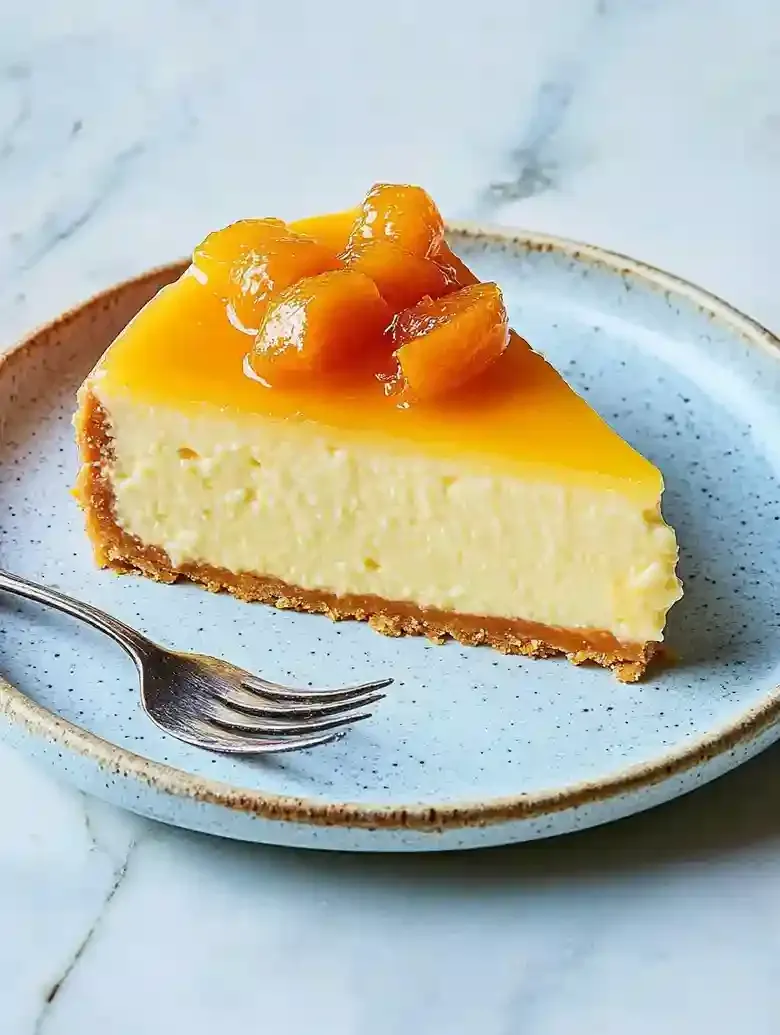
This greek yogurt cheesecake offers a light and creamy escape from traditional desserts with its unique mix of flavors and textures. Topped with a sweet apricot compote, it’s a treat anyone can enjoy!
This recipe addresses issues of heaviness and lack of creaminess often found in traditional cheesecakes, providing a light yet satisfying alternative.
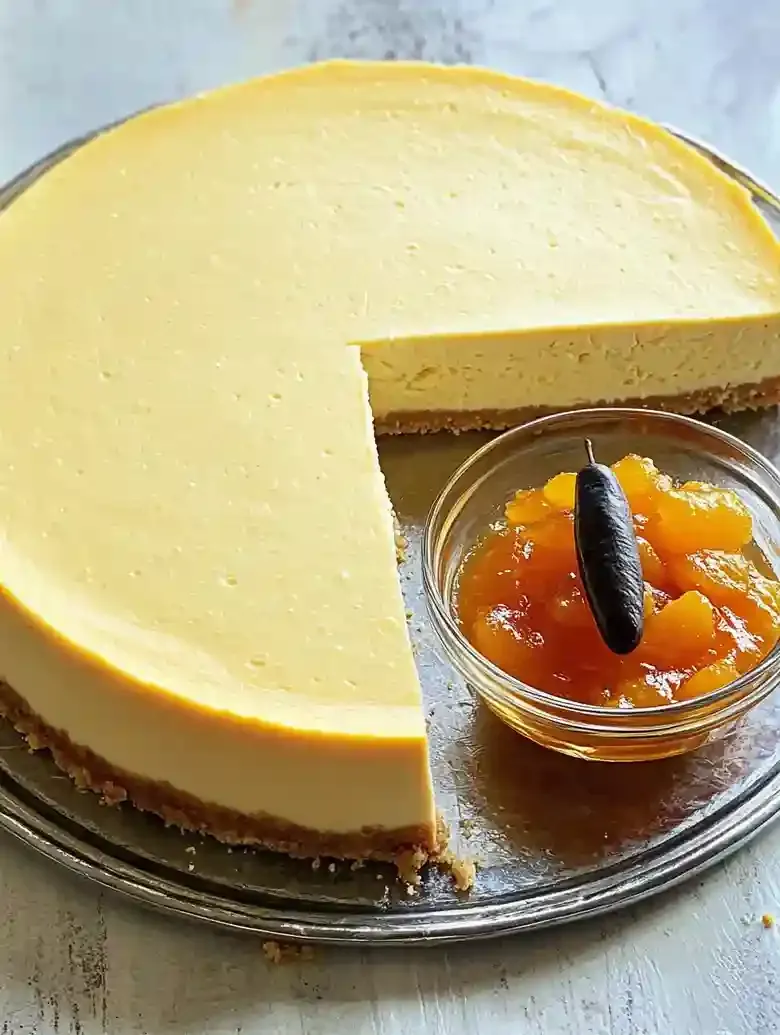
As a home cook, I’ve had my fair share of misses in the kitchen. This cheesecake stands out because it tackles the common problem of trying to create a dessert that’s rich yet doesn’t weigh you down. I’ve struggled with recipes that turned out overly dense or too sweet, but this one strikes a nice, tasty note.
This recipe is a winner thanks to its straightforward steps and forgiving nature. You only need about 15 minutes of prep time and a chill period of just four hours, making it suitable for busy evenings or unexpected guests. Trust me, if I can make this cheesecake without a hitch, so can you!
If you’re interested in lighter desserts, you might also enjoy my Strawberry Crunch Cheesecake.
Table of contents
Why You Will Love This Recipe
- Light and Tangy Flavor , The Greek yogurt adds a refreshing tang that balances the sweetness of the apricot compote, creating a dessert that’s satisfying yet not overly heavy.
- Silky Texture , The combination of cream cheese and goat cheese delivers a creamy texture that feels luxurious on your palate, making each bite truly enjoyable.
- Versatile Topping Options , While apricot compote shines on top, you can easily switch it up with other fruits or sauces, allowing you to tailor the cheesecake to your favorite flavors each time.
- Chill for Flavor Development , Allowing the cheesecake to chill for a few hours lets the flavors marry together beautifully, resulting in a more cohesive and richer taste overall.

Greek Yogurt Cheesecake with Apricot Compote
- Prep Time: 15 minutes
- Cool Time: 4 hours
- Cook Time: 50-60 minutes
- Total Time: Approximately 5 hours
- Yield: 16 slices 1x
- Category: dessert
- Method: Baking
- Cuisine: Greek
- Diet: Low Fat
Description
Delicious Greek yogurt cheesecake topped with apricot, vanilla, and honey compote. Perfect for a light dessert!
Ingredients
- 10 sheets (about 1 1/2 cups or 150g) graham crackers, crushed into fine crumbs
- 4 tablespoons (57g) unsalted butter, melted
- 1 1/2 teaspoons ground cinnamon
- 1 pinch kosher salt
- 2 blocks (16 oz or 450g total) full-fat cream cheese, softened to room temperature
- 8 oz (225g) goat cheese, softened to room temperature
- 12 oz (1 1/2 cups or 340g) full-fat Greek yogurt
- 4 large eggs, at room temperature
- 1 3/4 cups (350g) granulated sugar
- Seeds scraped from 1 vanilla pod or 1 teaspoon pure vanilla extract
Instructions
- Step 1: Combine finely crushed graham cracker crumbs, ground cinnamon, and a pinch of kosher salt in a mixing bowl. Add the melted unsalted butter and mix until the texture resembles wet sand.

- Step 2: Transfer the crumb mixture into the bottom of a springform pan. Press it firmly and evenly with the back of a spoon or measuring cup to form a stable base. Take your time to prevent crumbling when cutting.
- Step 3: Ensure the cream cheese blocks are at room temperature to achieve a smooth mix. Softening cream cheese fully is crucial to avoid lumps in the batter.
- Step 4: In a large mixing bowl, gently beat the softened cream cheese, goat cheese, and Greek yogurt together just until combined. Add the eggs one at a time, mixing slowly to avoid incorporating excess air that causes cracks.
- Step 5: Frequently stop mixing to scrape down the sides and bottom of the bowl with a rubber spatula. This ensures an even mixture without pockets of unblended ingredients.
- Step 6: Pour the cheese filling evenly over the pressed crust. Spread it gently and level the top to promote uniform baking.
- Step 7: Bake the cheesecake in a preheated oven at 325°F (163°C) until the edges are set but the center still has a slight jiggle, approximately 50-60 minutes. Overbaking leads to a dry texture.
- Step 8: Allow the cheesecake to cool at room temperature. Then transfer it to the refrigerator to chill for at least 4 hours to let flavors develop and the texture to firm up.
- Step 9: When ready, top slices with the apricot, vanilla, and honey compote. The sweetness and acidity from the compote precisely balance the tangy and creamy cheesecake.

Notes
- Room Temperature: Store cheesecake in an airtight container at room temperature up to 2 days away from direct sunlight or heat.
- Refrigeration: Keep cheesecake tightly covered in an airtight container in the fridge for up to 5 days. Store compote separately if possible.
- Freezing: Wrap cheesecake tightly with plastic wrap, then aluminum foil. Place in a freezer-safe container and freeze up to 2 months. Thaw overnight in refrigerator.
- To prevent cracks, if cracks appear after baking, continue baking for an additional 10 minutes at 325°F (163°C).
- If the cheesecake center jiggles too much, cool it in the oven with the door ajar for 10 minutes to prevent curdling and sudden temperature shock.
- For a firmer crust, add 1 tablespoon melted butter to the graham cracker mixture.
- If the edges brown too quickly, tent the cheesecake with foil during the last 15 minutes of baking to shield the top while allowing the center to bake fully.
- To strengthen the vanilla flavor, add an extra ½ teaspoon vanilla extract to the batter.
- No reheating necessary. Cheesecake is served chilled. If preferred slightly warm, let rest at room temperature for 15-20 minutes before serving.
- Serve slices with apricot compote on the side.
- Add fresh fruit salad or a scoop of berry sorbet for contrast.
- Include on a dessert platter alongside fruit tarts or gluten-free brownies.
- Try mini parfaits with layers of cheesecake, granola, and seasonal fruits.
- Drizzle honey or maple syrup and sprinkle cinnamon or crushed nuts for added texture and flavor.
- Substitute goat cheese with an additional 8 oz (225g) block of cream cheese for a milder tang.
- Use dried apricots or fresh fruit for the compote to adjust sweetness and tartness according to preference.
- For a dairy-free alternative, replace Greek yogurt and cream cheese with appropriate vegan substitutes (not detailed in source).
- Use full-fat Greek yogurt to maintain creaminess and moisture.
- Choose block-style cream cheese (such as Philadelphia) for richness and proper structure.
- Use large, room-temperature eggs to aid smooth mixing and texture.
- Pure vanilla extract or scraped vanilla pod seeds both provide flavor depth; measure as directed.
- Graham crackers should be crushed finely for a consistent crust texture.
- Unsalted butter controls salt levels and helps bind the crust.
- Fresh or dried apricots contribute balanced sweetness and acidity in the compote.
Nutrition
- Serving Size: 1 slice
- Calories: Not provided
- Sugar: Not provided
- Sodium: Not provided
- Fat: Not provided
- Saturated Fat: Not provided
- Unsaturated Fat: Not provided
- Trans Fat: Not provided
- Carbohydrates: Not provided
- Fiber: Not provided
- Protein: Not provided
- Cholesterol: Not provided
Ingredient Notes
- Greek yogurt: Pick a full-fat Greek yogurt for creaminess and tang. It brings moisture and a delicious flavor to your cheesecake.
- Cream cheese: Go for a block-style cream cheese like Philadelphia for better texture. This adds richness and structure to the cheesecake.
- Granulated sugar: Regular granulated sugar works best here. It sweetens the cheesecake and balances the tanginess of the yogurt and cream cheese.
- Eggs: Use large eggs at room temperature for better mixing. They help bind the ingredients, contributing to the creamy texture.
- Vanilla extract: Choose pure vanilla extract for the best flavor. It enhances the sweetness and adds depth to your cheesecake flavor.
- Graham cracker crumbs: Look for finely crushed graham crackers for the crust. They give that classic cheesecake base and a hint of sweetness.
- Unsalted butter: Use unsalted butter for the crust, important for controlling the saltiness. It helps bind the crumbs together for a sturdy base.
- Apricots: Fresh or dried apricots work well for the compote. They bring sweetness and a lovely tartness to complement the cheesecake perfectly.
- Greek yogurt: Pick a full-fat Greek yogurt for creaminess and tang. It brings moisture and a delicious flavor to your cheesecake.
- Cream cheese: Go for a block-style cream cheese like Philadelphia for better texture. This adds richness and structure to the cheesecake.
- Granulated sugar: Regular granulated sugar works best here. It sweetens the cheesecake and balances the tanginess of the yogurt and cream cheese.
- Eggs: Use large eggs at room temperature for better mixing. They help bind the ingredients, contributing to the creamy texture.
- Vanilla extract: Choose pure vanilla extract for the best flavor. It enhances the sweetness and adds depth to your cheesecake flavor.
- Graham cracker crumbs: Look for finely crushed graham crackers for the crust. They give that classic cheesecake base and a hint of sweetness.
- Unsalted butter: Use unsalted butter for the crust, important for controlling the saltiness. It helps bind the crumbs together for a sturdy base.
- Apricots: Fresh or dried apricots work well for the compote. They bring sweetness and a lovely tartness to complement the cheesecake perfectly.
Recipe Tips
- If your cheesecake cracks, bake for 10 minutes longer at 325°F. A gentle bake allows it to set gradually, minimizing surface cracks.
- When your cheesecake jiggles too much in the center, cool it for an additional 10 minutes in the oven with the door ajar. This prevents sudden temperature changes that cause curdling.
- If the crust is too crumbly, add 1 tablespoon of melted butter to the graham cracker mixture. This adjustment binds the crust and improves its firmness.
- When the edges of your cheesecake brown too quickly, tent with aluminum foil during the last 15 minutes of baking. This shields the surface while allowing the center to set.
- If the flavor isn’t strong enough, add an extra ½ teaspoon of vanilla extract during mixing. This adjustment enhances the overall taste profile without overpowering other ingredients.
Serving Suggestions
Serve slices of Greek Yogurt Cheesecake with apricot compote on the side. You can add a fresh fruit salad or a scoop of berry sorbet for contrast.
Add this cheesecake to a dessert platter alongside fruit tarts or gluten-free brownies. Use it in mini parfaits layered with granola and seasonal fruits for variety.
Top with a drizzle of honey or maple syrup for extra sweetness. Consider adding a sprinkle of cinnamon or crushed nuts for texture and flavor.
Recipe variations
- You can use goat cheese or substitute with an extra 8 ounces of cream cheese for a smoother cheesecake texture and slightly milder tang.
- Add ground cinnamon to the crust recipe, measuring 1 ½ teaspoons to intensify warm spice notes and complement the apricot compote.
- Either full-fat Greek yogurt or low-fat yogurt can be used for the filling, but full-fat is best for creaminess and proper texture.
- If serving a large group, double the crust ingredients to 20 graham cracker sheets and 8 tablespoons melted butter, baking the cheesecake in two 9-inch pans.
Save This Recipe!
How to Store?
To keep your greek yogurt cheesecake fresh and delicious, follow these storage tips:
Room Temperature: Place the cheesecake in an airtight container at room temperature for up to 2 days, avoiding direct sunlight or heat exposure.
Refrigeration: Store in an airtight container inside the refrigerator for up to 5 days. Keep the compote separate if possible for freshness.
Freezing: Wrap the cheesecake tightly with plastic wrap and then aluminum foil, place in a freezer container for up to 2 months. Thaw overnight in the refrigerator.
Other Recipes You’ll Love
If you enjoyed this greek yogurt cheesecake or any other recipe on my blog, please leave a ⭐ star rating and let me know how it went in the comments below. I appreciate taking time to read about this recipe, thank you!
