Description
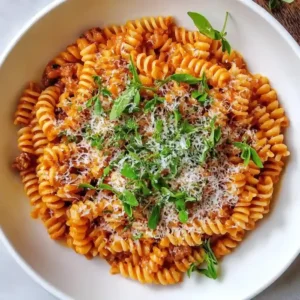
A unique vegan pasta dish infused with the spicy and savory essence of gochujang.
Ingredients
Scale
- 1 pound short noodle pasta (e.g., Fusilli Corti Bucati)
- 2 tablespoons vegan butter
- 1 tablespoon extra-virgin olive oil
- 2 large shallots, diced
- 6 cloves garlic, thinly sliced
- 1/2 cup gochujang
- 11/2 teaspoon gochugaru flakes
- 1/2 cup soju
- 1 1/2 cups plant-based heavy cream
- 3/4 cup vegan parmesan shreds (divided)
- Fresh cilantro or cilantro microgreens (for garnish)
- Pinch of salt (to taste)
- Pinch of sugar (optional, to balance flavors)
Instructions
- Cook Pasta Al Dente: Start by boiling your pasta until it is just slightly firm. You will know it is ready when it is tender but has a little bite. This keeps the texture nice and prevents it from turning mushy later. Just make sure no one walks away too long or it might get overcooked!
- Mix Sauce Ingredients: In a bowl, whisk together gochujang and cream until it is smooth and slightly thickened. You will notice it starts to change color and become velvety. This is where the magic happens—just do not rush, or you might end up with clumps instead of a creamy sauce!
- Toss Pasta with Sauce: Gently fold the cooked pasta into the sauce until every piece is coated. If it feels a bit thick, add a splash of reserved pasta water to loosen it up. You should see those glossy noodles glistening! Watch out for clumps; they are not as fun to eat.
- Add Final Touches: Feel free to throw in any additional veggies or protein to make it heartier. The colors should pop and make you excited to dig in! Just check for seasoning—if you need more flavor, a pinch of salt or a touch of sugar can balance things out.
- Serve It Up: Plate the pasta and take a moment to appreciate the aroma before diving in. You might even want to sprinkle some fresh herbs on top for a bit of color and freshness. Just try not to skimp out on garnishes—they really do make a difference in presentation!
Notes
- Storage Tips: Store any leftover pasta in an airtight container in the refrigerator for best freshness within 2-3 days.
- Expert Tips: If the sauce seems too thick, adding a couple tablespoons of reserved pasta water can help achieve a smoother consistency.
- When cooking your pasta, a good rule of thumb is to check for doneness two minutes before the package instructions to avoid it becoming mushy.
- If the gochujang is too intense, mix in extra plant-based cream or a small amount of sugar to tone down the heat.
- Serving Suggestions: Serve with a side salad of mixed greens, pair with Korean-style pickles for contrast, and top with additional cilantro or green onions for freshness.
- Recipe Variations: Replace gochujang with Sriracha for a different kick, add vegetables like spinach or bell peppers for extra nutrition, and incorporate protein like tofu or tempeh for a heartier dish.
- Ingredient Notes: Use reserved pasta water to adjust the sauce consistency. Adjust the amount of gochujang based on your spice preference—start low and work your way up. Experiment with different pasta shapes for variety.
Nutrition
- Serving Size: 1 serving
- Calories: null
- Sugar: null
- Sodium: null
- Fat: null
- Saturated Fat: null
- Unsaturated Fat: null
- Trans Fat: null
- Carbohydrates: null
- Fiber: null
- Protein: null
- Cholesterol: null