

Making a gluten free sourdough starter is a fun and easy way to enjoy fresh sourdough bread without worrying about gluten. It’s great for those of us who need gluten-free options, and it doesn’t have to be complicated.
Solves unpredictable fermentation and crumb texture in gluten free breads, hydration issues with flours, and frequent starter maintenance through stable, reliable feeding and activity.
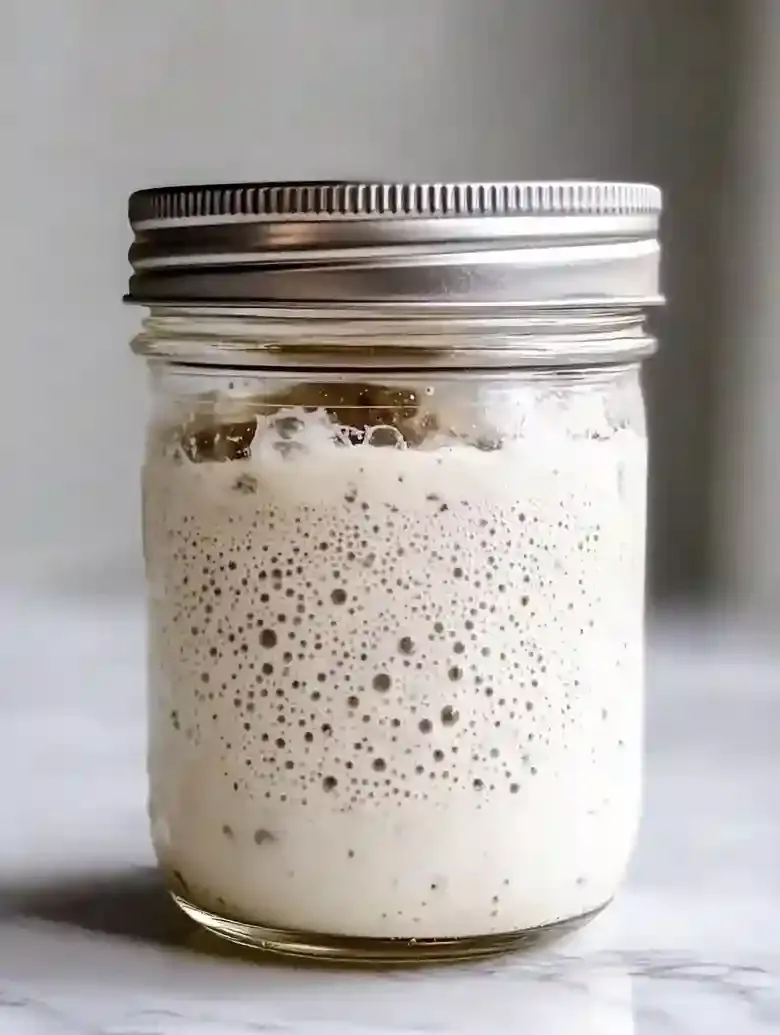
I know keeping a sourdough starter can be tricky. Sometimes, it seems like you need to babysit it all the time, which doesn’t work for my busy life. This gluten-free version is much simpler and takes only a few minutes to prep, so I don’t have to stress about it.
What’s cool about this recipe is that it requires very little maintenance. You don’t have to feed it every day; just stick it in the fridge after you get it going. Plus, it uses gluten-free flours that are easy to find, and you waste less than with traditional starters. In about ten days, you’ll have a bubbly starter ready for baking.
If you love the idea of trying more gluten-free baking, then you’ll want to check out this yummy Nutella Swirl Banana Bread. It’s a great way to use that starter once you’ve got it!
Table of contents
Why You Will Love This Recipe
- Simplified Maintenance : This starter is super easy to maintain, requiring minimal effort. You won’t need to feed it daily, making it perfect for a busy schedule.
- Rich Flavor : You’ll love the tangy, earthy, and nutty notes that come through in your baked goods. This starter adds a delightful depth to your gluten-free bread.
- Storage Convenience : Just pop it in the fridge and feed it only when you want to bake. No more worrying about constant upkeep.
- Fewer Discards : Unlike traditional starters, this recipe requires less waste. You can enjoy baking without feeling guilty about what you’re tossing out.
Homemade Gluten Free Sourdough Starter
- Prep Time: 5 minutes
- Cool Time: 0 minutes
- Cook Time: 10 days
- Total Time: 10 days
- Yield: 2 cups, depending on amount your starter is fed 1x
- Category: fermentation
- Method: fermentation
- Cuisine: gluten free
- Diet: gluten free
Description
Create an easy gluten free sourdough starter through simple fermentation methods.
Ingredients
- 50 grams (1.76 ounces) wholegrain flour, choose good quality for nutty taste
- 60 grams (2.11 ounces) water, filtered and at room temperature
- 30 grams (1.06 ounces) additional wholegrain flour, for feeding
- 40 grams (1.41 ounces) water, for feeding
- 290 grams (10.23 ounces) wholegrain flour, optional combinations include sorghum, buckwheat, brown rice, amaranth, teff, millet, quinoa
Instructions
- Mix Ingredients Together: Start by mixing your chosen gluten-free flour and water in a glass jar. It will have a thick, pasty consistency. Make sure there are no dry patches hiding in the blend, as a smooth mixture will encourage fermentation.
- Cover & Store Jar: Loosely cover the jar with a paper plate or breathable cloth. Place it in a warm spot, avoiding tight seals that could create too much pressure inside.
- Feed the Starter: After a day or so, feed your starter with more flour and water to keep it active. You will notice separation, often with a layer of liquid on top, called hooch. Maintain a steady feeding schedule to avoid hooch formation.
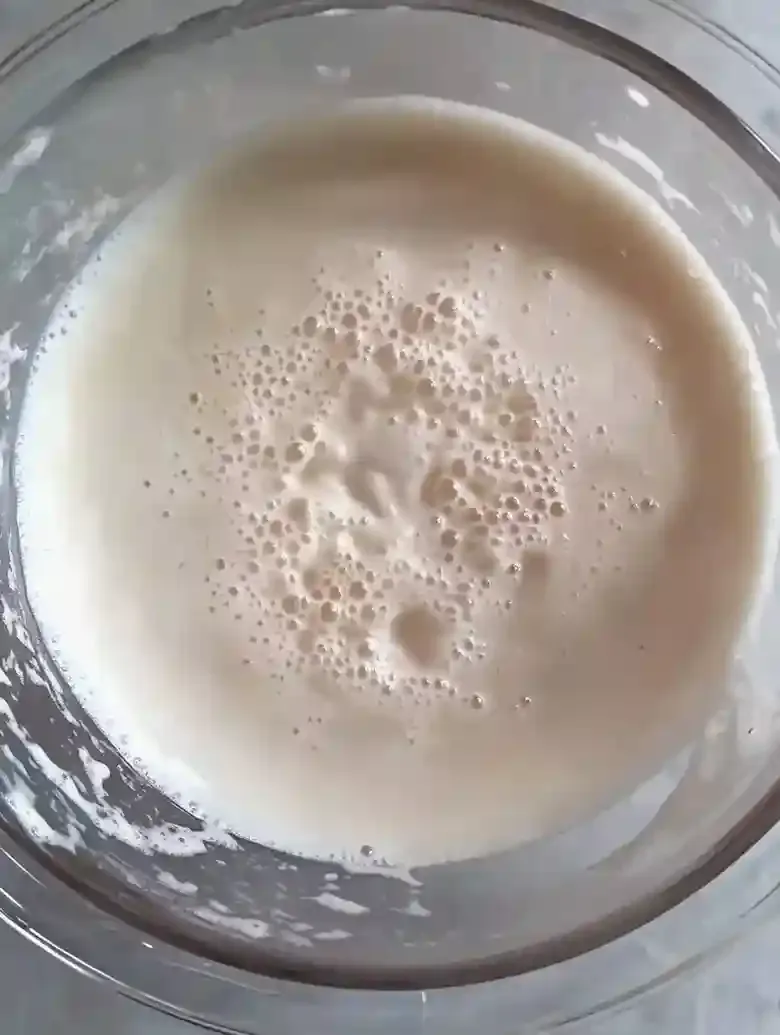
- Watch for Bubbles: Keep an eye out for bubbles forming in the starter as days pass, indicating that it is working hard. It should smell slightly tangy and earthy. If no bubbles appear after several days, the starter may need more warmth or more frequent feedings.
- Monitor Consistency: Over time, observe the texture; it should be thick yet spreadable. Adjust your flour and water ratios if it is too runny or dry. A too-thick starter might struggle to rise.
- Allow It to Mature: After about a week, try using a small amount of the starter in a recipe. It should rise well for gluten-free baking. If it does not rise as expected, give it more time, as it may still not be ready.
Notes
- Store in the refrigerator and feed only when needed.
- If your starter is not bubbling after a few days, keep it in a warm spot, around 75-80 degrees F, and feed it regularly to promote activity.
- If the starter has an off smell, discard it and start fresh to avoid health issues or unpleasant flavors.
- If hooch develops quickly, feed your starter every 12 hours instead of 24 for better results.
- A successful starter requires a combination of wholegrain flours to encourage a strong culture and enhance flavor.
- If you see hooch on top, gently stir it back in before feeding to keep the mixture active and avoid waste.
Nutrition
- Serving Size: 2 cups
- Calories: null
- Sugar: null
- Sodium: null
- Fat: null
- Saturated Fat: null
- Unsaturated Fat: null
- Trans Fat: null
- Carbohydrates: null
- Fiber: null
- Protein: null
- Cholesterol: null
Ingredient Notes
- Wholegrain flour: This is the star of your starter! Get a good quality wholegrain flour for a nice nutty taste. You can try sorghum or buckwheat if you want to mix things up.
- Water: Use filtered water if you can; it helps keep your starter thriving. Just make sure it’s at room temperature to help the fermentation kick off smoothly.
- Additional wholegrain flour: You’ll need more for feeding your starter. Go for a mix of different types for added flavors, brown rice or millet can be fun choices!
Recipe Tips
- If your starter isn’t bubbling after a few days, keep it in a warm spot, around 75-80°F, and feed it regularly to promote activity.
- When your starter has an off smell, it’s best to discard it and start fresh to avoid any health issues or unpleasant flavors.
- If hooch develops rapidly, it means your starter is hungry; consider feeding it every 12 hours instead of 24 for better results.
- For a successful starter, ensure you’re feeding it a combination of wholegrain flours to encourage a robust culture and enhance flavor.
- If you see hooch on top, gently stir it back in before feeding to keep the mixture active and avoid waste.
Serving Suggestions
Use this gluten free sourdough starter as a base for various gluten free bread recipes. Pair it with gluten free toppings for a simple snack option.
This starter works well in gluten free pancakes, adding a wild yeast flavor to the dish. Consider utilizing it in other baked goods like muffins or pizza crusts.
Complement your creations with a drizzle of olive oil or a sprinkle of sea salt before serving. Fresh herbs also add an interesting touch to enhance the overall flavor.
Recipe variations
- You can use different wholegrain flours like buckwheat, quinoa, or brown rice for a unique taste in your sourdough starter.
- Add 1 tablespoon of cinnamon for a warm spice flavor that works well in your baking.
- Either mix in 50 grams of sweet rice flour or substitute with another gluten-free flour to modify the texture of your starter.
- If you plan to scale up the starter, use 145 grams of wholegrain flour and 100 grams of water for larger batches.
Save This Recipe!
How to Store?
To keep your gluten free sourdough starter fresh, follow these storage tips:
Refrigeration: Store the starter in an airtight container in the refrigerator for up to 2 weeks. Feed only when necessary.
Freezing: Place the starter in a freezer bag or airtight container for up to 3 months. Thaw in the refrigerator overnight before feeding.
Feeding Method: Remove the starter from the refrigerator, let it sit at room temperature, and feed with equal parts flour and water. Use promptly.
Other Recipes You’ll Love
- Mushroom Toast
- Caramelized Onion Grilled Cheese
- French Onion Pull-Apart Bread
- Raspberry Brie Focaccia
If you enjoyed this gluten free sourdough starter or any other recipe on my blog, please leave a ⭐ star rating and let me know how it went in the comments below. I appreciate taking time to read about this recipe, thank you!
